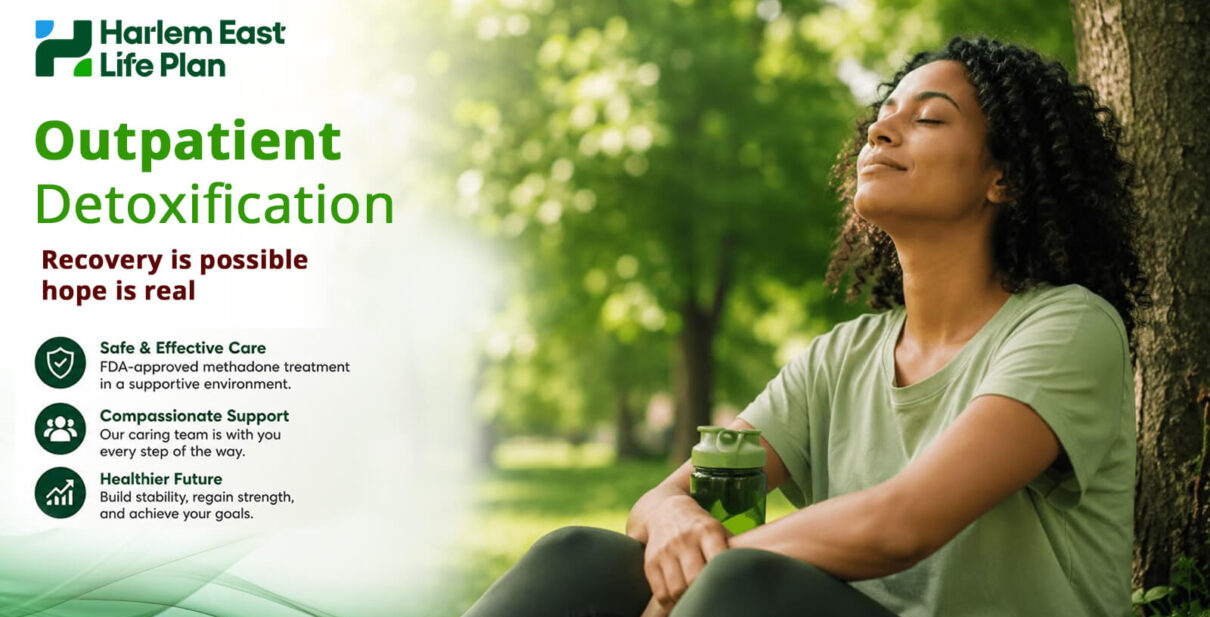
Taking the first step toward recovery can feel overwhelming, especially when someone is dealing with substance use and wants professional support. Detoxification is often an important part of the recovery process because it can help individuals stop using certain substances under appropriate medical supervision and begin preparing for ongoing treatment.
For people researching medical detoxification New York City, understanding what detox involves, what support may be available, and how different levels of care work can make the process easier to navigate.
What Is Medical Detoxification?
Medical detoxification is a supervised process designed to help a person safely manage withdrawal symptoms after reducing or stopping substance use. Depending on the substance involved, withdrawal can range from uncomfortable to medically serious.
A professional detox program may include:
- Initial assessment: Evaluating substance use, medical history, and individual needs.
- Medical monitoring: Observing withdrawal symptoms and overall health.
- Supportive care: Providing appropriate comfort measures and clinical support.
- Medication when appropriate: Certain withdrawal syndromes may be treated with medications under qualified medical supervision.
- Recovery planning: Connecting individuals with appropriate continuing treatment and support.
The appropriate level of care varies from person to person. Factors such as the substance used, duration and amount of use, medical history, previous withdrawal experiences, and available support can influence recommendations.
Exploring Outpatient Detoxification
Not everyone requires residential care. Outpatient detoxification New York City may be an option for some individuals who can safely receive clinical monitoring while continuing to live at home or in another supportive environment.
Outpatient programs may offer:
- Scheduled clinical appointments
- Monitoring of withdrawal symptoms
- Medication management when clinically appropriate
- Counseling and recovery support
- Referrals to continuing treatment
- Coordination with healthcare providers
However, outpatient detox is not appropriate for everyone. Individuals with a high risk of severe withdrawal or significant medical or psychiatric concerns may require a higher level of supervision.
Choosing the Right Level of Support
When considering medical detoxification New York City, it is important to seek an individualized assessment rather than choosing a program based solely on convenience or location.
Consider asking:
- Is medical assessment available before treatment begins?
- How are withdrawal symptoms monitored?
- What happens if symptoms become more serious?
- Is medication-assisted treatment available when clinically appropriate?
- What continuing-care options are offered?
- How does the program coordinate with other healthcare providers?
Harlem East Life Plan provides community-focused health and supportive services designed to help individuals access appropriate care and resources.
Taking the Next Step
Detoxification is generally the beginning not the end of recovery. After detox, continuing treatment may include counseling, behavioral health services, medication-based treatment, peer support, or other recovery resources depending on individual needs.
For individuals considering outpatient detoxification New York City, professional evaluation can help determine whether outpatient care is appropriate and what additional support may be beneficial.
Harlem East Life Plan emphasizes accessible, coordinated care that considers the individual rather than relying on a one-size-fits-all approach.
If you or someone you know is considering medical detoxification New York City, speaking with a qualified healthcare professional is an important first step. Harlem East Life Plan can help individuals explore available services and identify appropriate pathways toward continued care and recovery.